EDDY CURRENT TESTING (ET) – Level 1
A Single Week Course, A Full Pass
Request an inquiry
We’ll contact you shortly:
What We Will Cover
COURSE FEE: RM 4,600DURATION: 5 DAYSLOCATION: PUCHONG, SELANGOR |
 |
INTRODUCTION
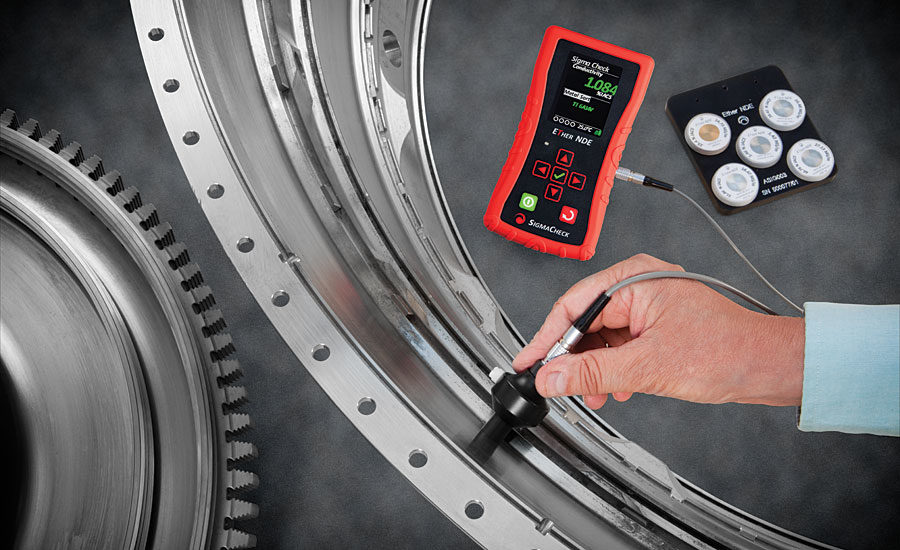
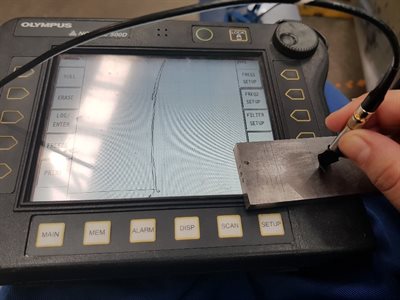
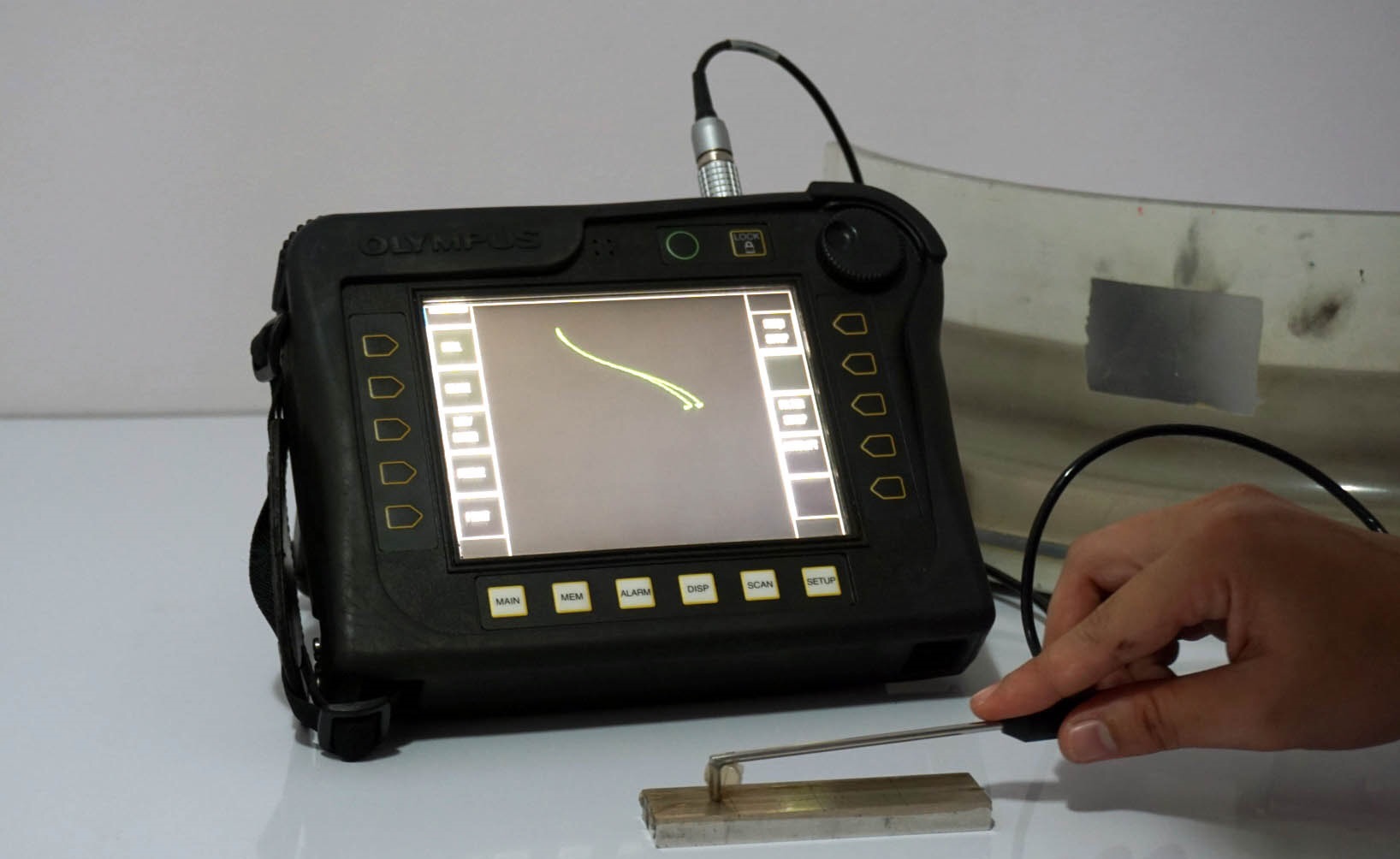
Eddy Current inspection (ET) is one of several NDT methods that use the principal of electromagnetism as the basis for conducting examinations. Eddy current testing equipment performs three basic functions: generating, receiving, and displaying. The generating portion of the unit provides an alternating current to the test coil creating eddy currents through a process called electromagnetic induction. The receiving section measures impedance and processes the signal from the test coil to the required form and amplitude for display. Instrument outputs or displays consist of a variety of visual, audible, storage, or transfer techniques utilizing meters, video displays, chart recorders, alarms, magnetic tape, computers, and electrical or electronic relays.
One of the major advantages of eddy current can be used for material or coating thickness measurements, heat damage detection, and conductivity measurements for material and alloy identification. This inspection method is sensitive to small surface cracks, pits, subsurface cracks, corrosion on inner surfaces, and other flaws and is used to inspect parts of complex shape and size. ET gives immediate results and is widely used within the commercial, military, petrochemical, aircraft and aerospace industries
COURSE DESCRIPTION
The Level I Eddy Current course requires no prior training or experience by the student. This courses is ideal for NDT trainees who must have Level I training in order to qualify for certification and the Level I course is well suited for personnel who are responsible for or oversee the application of testing or Quality Control/Quality Assurance.
WHO SHOULD ATTEND
This course is opened to all participants, in particular NDT personnel, supervisors, NDT trainers, contractors and researchers and those who are interested in Eddy Current Testing.
COURSE CONTENTS
MODULE 1: Introduction to terminology and history of eddy current testing (ET)
1.1. Purpose of NDT
1.2. Purpose of eddy current testing (ET)
MODULE 2: Physical principles and associated knowledge
2.1. Electricity
2.2. Magnetism
2.3. Magnetic field produced by a current
2.4. Electromagnetic induction law
MODULE 3: Product knowledge and related capability of the method and derived techniques
3.1. Applications of eddy current testing
3.2. Eddy current distribution relative to coil position
3.3. Capabilities
3.4. Techniques
MODULE 4: EQUIPMENT
4.1. Eddy current testing system
4.2. Instrument
4.3. Probes
4.4. Measurements
4.5. Output and signal display
4.6. Reference blocks
MODULE 5: INFORMATION PRIOR TO TESTING
5.1. Written instructions
5.2. Identification or designation material
5.3. Performing inspection in accordance with written instruction
MODULE 6: TESTING
6.1. Probe selection as per written instruction
6.2. Parameters
6.3. Settings
6.4. Reporting
6.5. Records and reports
MODULE 7: QUALITY ASPECT
7.1. Factors affecting quality of testing
7.2. Knowledge of applicable NDT application and product standards
PRACTICLE TRAINING
- Setting up the instrument
- Selection of frequency
- Calibrations
- Test on various samples
- Prepare test report
EXAMINATION METHOD
- General theory
- Specific theory
- Written instruction
- Practical
- Passing mark is 70% for each paper
Call us for any inquiries about this course
- 03-8061 7275